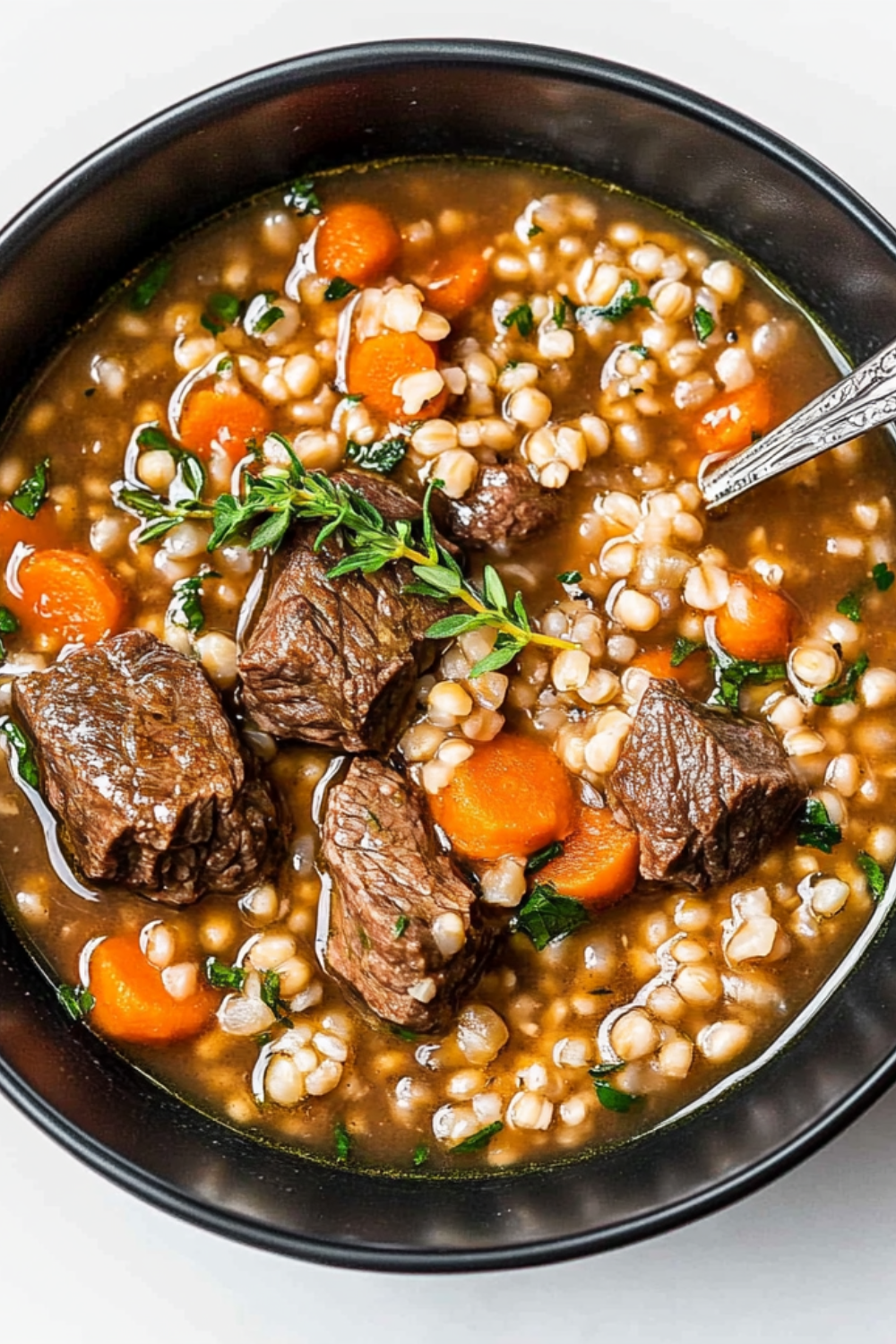
Gordon Ramsay Beef Barley Soup: Chef Secrets for Ultimate Flavor
There are few dishes that evoke the heartwarming comfort of home quite like a rich, simmering bowl of beef barley soup. It’s a classic for a reason – packed with tender beef, plump barley, and an abundance of nutritious vegetables, it’s a complete meal in itself. But what if you could elevate this beloved comfort food from a simple "dump and simmer" creation to a truly gourmet experience, one that sings with layers of deeply developed flavor? This is where the wisdom of a chef like Gordon Ramsay comes in, transforming a good recipe into an extraordinary one. Forget bland broths and grey meat; it's time to unlock the secrets to a
beef barley soup that truly tastes like it came straight from a bistro kitchen.
The Foundation: Why Gordon Ramsay's Approach Transforms Beef Barley Soup
Many home cooks fall into common traps when making beef barley soup. The most frequent culprits? An insufficient sear on the beef, rushing the deglazing process, and letting the barley turn into an unappetizing mush. The result is often a weak, anemic broth with little depth, and a texture that leaves much to be desired. It's a missed opportunity to create something truly satisfying.
Gordon Ramsay's methodology, however, flips these common mistakes on their head. His approach isn't about just throwing ingredients into a pot; it’s about intentionally building flavor at every stage. This chef-driven philosophy hinges on a few critical principles:
*
Proper Searing: This isn't just about browning the beef; it's about creating a foundational layer of flavor that will permeate the entire soup. No grey, unappetizing cubes here.
*
Strategic Deglazing and Reduction: Wine isn't merely added; it's used to capture concentrated flavors from the bottom of the pan and then reduced to build body and complex notes in the broth.
*
Timing the Barley: The barley is introduced at the right moment to ensure it cooks to a perfect al dente texture, not an overcooked, starchy mess.
*
Secret Ingredients for Depth: Specific additions like Worcestershire sauce and fresh thyme are not optional; they are the "secret handshake" that provides unparalleled umami and aromatic complexity.
Ignoring these steps yields a soup that lacks character. Embrace them, and you'll create a
healthy beef barley soup that leaves you completely satisfied and warms every inch of your body.
Mastering the Art of Searing and Deglazing
The journey to an exceptional beef barley soup begins with the beef itself. The difference between a truly flavorful soup and a merely adequate one often lies in how the initial protein is treated.
Choosing Your Beef and Prepping for Success
For a truly rich and tender beef barley soup, beef chuck is the undisputed champion. Its high collagen content breaks down beautifully during a long simmer, yielding incredibly tender meat and a luscious, naturally thickened broth. If you're starting from scratch, cube your chuck into manageable, even pieces for consistent cooking. Alternatively, if you're using leftover cooked beef like pot roast or steak, you'll still benefit from the deglazing step with aromatics, though you won't get the same deep fond development from searing the raw beef.
Before searing, always pat your beef dry with paper towels. Moisture on the surface prevents proper browning and instead steams the meat, leading to those undesirable grey cubes.
The Maillard Reaction: Unlocking Deep Flavor
Searing is more than just browning; it's about harnessing the Maillard reaction – a complex chemical process where amino acids and sugars react under high heat, creating hundreds of new flavor compounds. This is where the magic happens.
* Heat a heavy-bottomed pot or Dutch oven over medium-high heat with a good quality oil (like canola or grapeseed) until it just begins to smoke.
* Add the beef in a single layer, ensuring not to crowd the pan. Crowding lowers the pan temperature, and again, you'll steam rather than sear. Work in batches if necessary.
* Allow the beef to develop a deep, dark brown crust on all sides. This requires patience – resist the urge to move the meat too soon. Those browned bits stuck to the bottom of the pan, known as "fond," are pure gold.
Deglazing: Capturing Every Ounce of Flavor
Once your beef is beautifully seared and set aside, the fond at the bottom of the pot holds the key to the soup's depth. This is where deglazing comes in.
* Return the pot to the heat and add a splash of dry red wine (like Cabernet Sauvignon or Merlot) or, if you prefer to avoid alcohol, a good quality beef broth.
* Immediately scrape the bottom of the pan vigorously with a wooden spoon or spatula, dissolving all those glorious browned bits into the liquid.
* Allow the wine or broth to simmer and reduce by about half. This concentrates its flavor and, in the case of wine, cooks off the raw alcohol notes, leaving behind a complex, savory essence that forms a magnificent base for your beef barley soup.
Building the Broth: A Symphony of Aromatics and Depth
With your perfectly seared beef and deglazed fond, the stage is set for building a broth that's anything but bland. This is where the aromatics and liquid truly come alive.
The Aromatic Base: Onions, Garlic, and Carrots
After deglazing, add chopped onions, minced garlic, and diced carrots to the pot. Sauté them gently until they soften and become fragrant, releasing their natural sweetness. This aromatic trio forms the backbone of countless savory dishes and is non-negotiable for a well-rounded beef barley soup.
The Liquid Gold: Quality Stock is Non-Negotiable
While store-bought broth is convenient, if you truly want to achieve a chef-level flavor, homemade beef stock is unparalleled. It offers a depth and richness that simply can't be replicated. If homemade isn't an option, invest in the highest quality, low-sodium beef broth you can find. Remember, you can always add salt, but you can't take it away. Using a high-quality liquid ensures your
homemade beef barley soup has a robust foundation, rather than tasting watery or thin.
Ramsay's Secret Handshake: Worcestershire and Fresh Thyme
Here's where a touch of chef genius truly shines through. While often overlooked, a dash of Worcestershire sauce adds an incredible layer of umami – that savory, fifth taste sensation that makes food deeply satisfying. It's a complex condiment that harmonizes beautifully with beef. Paired with fresh thyme, which imparts an earthy, slightly peppery, and aromatic fragrance, these two ingredients elevate the beef barley soup from good to truly exceptional. Add these early in the simmering process to allow their flavors to meld and infuse the entire pot.
The Barley Factor: Texture and Timing are Everything
Barley is the star grain of this soup, offering a delightful chewiness and a slightly nutty flavor that complements the beef perfectly. However, its texture can make or break the dish.
Understanding Barley: Pearl vs. Hulled
Most recipes, including this chef-inspired beef barley soup, call for *pearl barley*. This variety has had its outer husk and bran layer removed, making it quicker to cook and giving it a softer, more refined texture. Hulled barley, on the other hand, is a whole grain, more fibrous, and requires a significantly longer cooking time, which can sometimes lead to an overly thick soup. Stick with pearl barley for the ideal balance of texture and cooking efficiency in your
make-ahead freezer-friendly dinner.
Avoiding the Mush: When to Add Barley
This is a critical chef secret:
do not add the barley at the very beginning of the simmering process. While the initial reference might suggest adding everything and simmering, a chef's approach dictates that barley should be added after the beef has had ample time to become tender and the broth has developed its deep flavors.
Adding barley too early can lead to several problems:
*
Mushy Texture: It will overcook and become soft and unappealing.
*
Excessive Thickening: Barley absorbs a lot of liquid as it cooks, potentially turning your beautiful soup into a stew with very little broth.
*
Starchy Flavor: Overcooked barley can release too much starch, giving the soup a cloudy appearance and a heavy mouthfeel.
Instead, add the pearl barley about 45-60 minutes before you anticipate the soup being ready, or roughly an hour after the beef has been simmering. This allows it to cook through to a perfect, slightly chewy, al dente consistency while the rest of the ingredients meld together perfectly.
Beyond Barley: The Vegetable Ensemble
Beyond the foundational carrots, feel free to incorporate other nutritious vegetables to round out your beef barley soup. Diced celery, potatoes, peas, and even some chopped greens like spinach or kale can add color, vitamins, and textural variety. Add harder vegetables like potatoes along with the barley, and softer ones like peas or spinach towards the very end, just until they are tender-crisp.
Bringing it All Together: Simmering, Seasoning, and Serving
With all the components prepped and added strategically, the final stages of cooking are about patience, balance, and thoughtful finishing touches.
The Gentle Simmer: Marrying the Flavors
Once everything is in the pot, bring the soup to a gentle simmer, then reduce the heat to low, cover, and let it do its magic. This slow, low-heat cooking allows the beef to become incredibly tender, the vegetables to soften beautifully, and all the flavors to meld and deepen. This stage is where your
easy homemade beef barley soup transforms into a complex, satisfying dish. Simmer for at least 1.5 to 2 hours, or until the beef is fork-tender. Taste and adjust seasoning as it cooks – this is crucial for a perfectly balanced flavor profile.
Final Touches: Freshness and Balance
Just before serving, a few final touches can truly elevate the soup. Stir in a generous handful of fresh chopped parsley or chives for brightness and a pop of color. Taste one last time and adjust salt and pepper as needed. A squeeze of fresh lemon juice or a tiny splash of red wine vinegar can also awaken the flavors and add a vibrant lift to the rich broth.
Serving Suggestions and Make-Ahead Magic
Gordon Ramsay's beef barley soup, with its rich and hearty character, is perfect served alongside a crusty loaf of bread, warm buttermilk biscuits, or even 30-minute dinner rolls. A fresh garden salad provides a wonderful counterpoint to the soup's richness.
One of the best aspects of this homemade beef barley soup is its make-ahead potential. Flavors deepen overnight, making it even more delicious the next day. It also freezes exceptionally well, making it the perfect
make-ahead & freezer-friendly dinner. Simply portion cooled soup into freezer-safe containers and enjoy it later. Remember that soup may thicken significantly upon cooling; when reheating, add extra broth or water to achieve your desired consistency.
Conclusion
Transforming a simple beef barley soup into a chef-worthy masterpiece isn't about complexity; it's about intentionality. By adopting Gordon Ramsay's layered approach – from meticulously searing the beef and expertly deglazing the pan, to timing the barley perfectly and leveraging key flavor enhancers like Worcestershire and fresh thyme – you move beyond a basic meal. You create a deeply flavorful, incredibly satisfying, and truly memorable dish that will earn rave reviews. Embrace these chef secrets, and prepare to discover the ultimate flavor in your next bowl of beef barley soup.